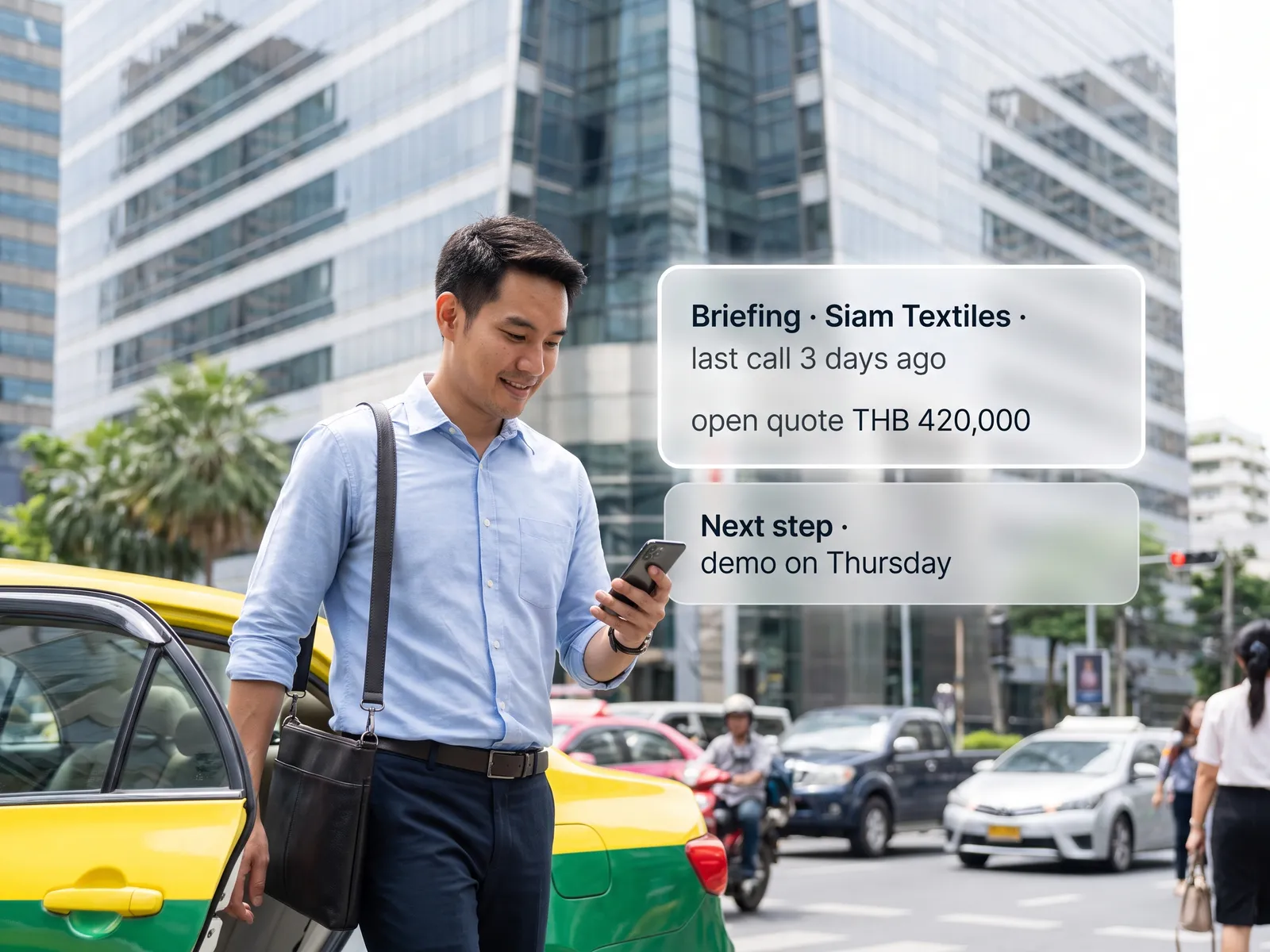
The director sees every AI proposal in one plan with its rank, budget and measurable result, and starts the first project with legal’s sign-off.
Back to AI Transformation
Hospitals & clinic groups · 09 / 13
AI roadmap for healthcare providers
Every department’s AI proposal in one ranked plan, starting with work that stays clear of diagnosis and signed off by medical, IT and legal from day one.
 Hospitals & clinic groups
 “Every department proposes its own AI project, nobody can say which comes first, and patient data can’t be used outside the system.”
The problem
Outpatients wants automatic appointment booking, finance wants AI to prepare claims paperwork, doctors want a history summary before each visit and marketing wants a chatbot. Every proposal reaches the director at once, and nobody can say which can be done from the data in the HIS today, which runs into health-data rules and which pays back first.
The legal limits stop every project at the legal department, because there is no framework saying under what conditions patient data may be used with AI, and IT will not open the HIS to an outside system. The hospital ends up with ten proposals and none under way.
How we solve it
We start by assessing the data in the HIS and the systems around it with the IT and legal teams: which data can be used, in which system, and whether it has to stay inside the hospital. Then we rank every department’s proposal by payback and risk, and take anything that touches diagnosis out of the first phase altogether.
The 90-day roadmap goes past representatives of the medical, IT and legal teams before it reaches the director. The first system we build together lives in one department: for example, confirming appointments, reminding patients on LINE and refilling the queue when someone cancels, or an assistant that gathers claims documents from the record for finance to check.
Every medical decision, every claim approval and every question about symptoms stays with clinical and finance staff. The system handles bookings, prepares documents and answers routine questions. Anything about symptoms is handed to a nurse every time, and patient data stays in the hospital’s systems throughout.
How it runs
Work comes in from
- Records and appointments in the HIS
- Claims documents and insurer systems
- Project proposals from every department
- Meetings with medical, IT and legal
What the AI does
- Assess the data and the legal limits
- Rank use cases that stay clear of diagnosis
- Deliver the 90-day roadmap
- Build the first system in one department
Where it lands
- One plan every department agrees on
- A live booking or claims system
- An AI governance framework for the hospital
- A team that assesses the next proposal itself
Before and after
Before
After
Ten AI proposals from ten departments and none under way
One ranked plan, and a clear first department
Every project stops at legal because there is no framework to decide by
A framework for what patient data may be used for, so legal decides quickly
Patients phone the desk to confirm, and cancelled slots stay empty
The system confirms appointments and refills empty slots on LINE
What you get
- 01
An assessment of data readiness in the HIS and the systems around it, with the limits set by health-data rules and PDPA: which data can be used, where and under what conditions
- 02
A list of use cases that stay clear of diagnosis, ranked by payback: appointments and reminders, claims paperwork, record summaries for doctors and patient questions on LINE
- 03
A 90-day roadmap reviewed by medical, IT and legal teams, with the budget, team and metric for each phase
- 04
The first system, built together in one department, such as appointment confirmations and reminders or a claims-document assistant, measured in waiting time or paperwork reduced
- 05
An AI governance framework for the hospital: which patient data a model may use, where it must stay and where a clinician must check, with training for the team
Who gets what
Connected to the HIS through the channel its vendor supports, read-only first. Patient data stays in the hospital network, every access is logged, and we work inside the framework the legal team sets.
The front desk stops phoning to confirm appointments one by one, finance gets claims documents already gathered for checking, and nurses get time back with patients.
Who this fits
Private hospitalsClinic groupsDental and aesthetic centresHealth check-up centres and labsProviders serving group insurance
Connects with what you already run
HISMedical records systemInsurer systemsLINE OAMicrosoft 365Power BI
Development process
- 1
Discover
Requirements, users and success metrics, with scope and price fixed before we start.
- 2
Design
UX and system architecture; the prototype is approved before anything is built.
- 3
Build
AI-accelerated sprints with a demo every week, reviewed by senior engineers.
- 4
Test
QA, security and performance verified against the agreed scope.
- 5
Launch & care
Production deploy, team training, and a monthly care plan.

Turn your business problem into a system that works for you
Tell us today — get an executive-ready proposal with the plan and budget.
Talk to an engineer about thisMore solutions in AI Transformation
See the whole service Executives & finance AI roadmap for executives and finance Sales teams AI roadmap for sales Operations & production AI roadmap for production and operations HR teams AI roadmap for HR Marketing teams AI roadmap for marketing IT & data AI roadmap for IT and data Organisations rolling out AI Forward Deployed Engineers (FDE) for AI adoption Factories & manufacturers AI roadmap for a factory Banking, insurance & securities AI roadmap for financial institutions Multi-branch retail AI roadmap for retail Logistics companies AI roadmap for transport and warehousing Family businesses & SMEs AI roadmap on a limited budget